Xishuangbanna 西双版纳
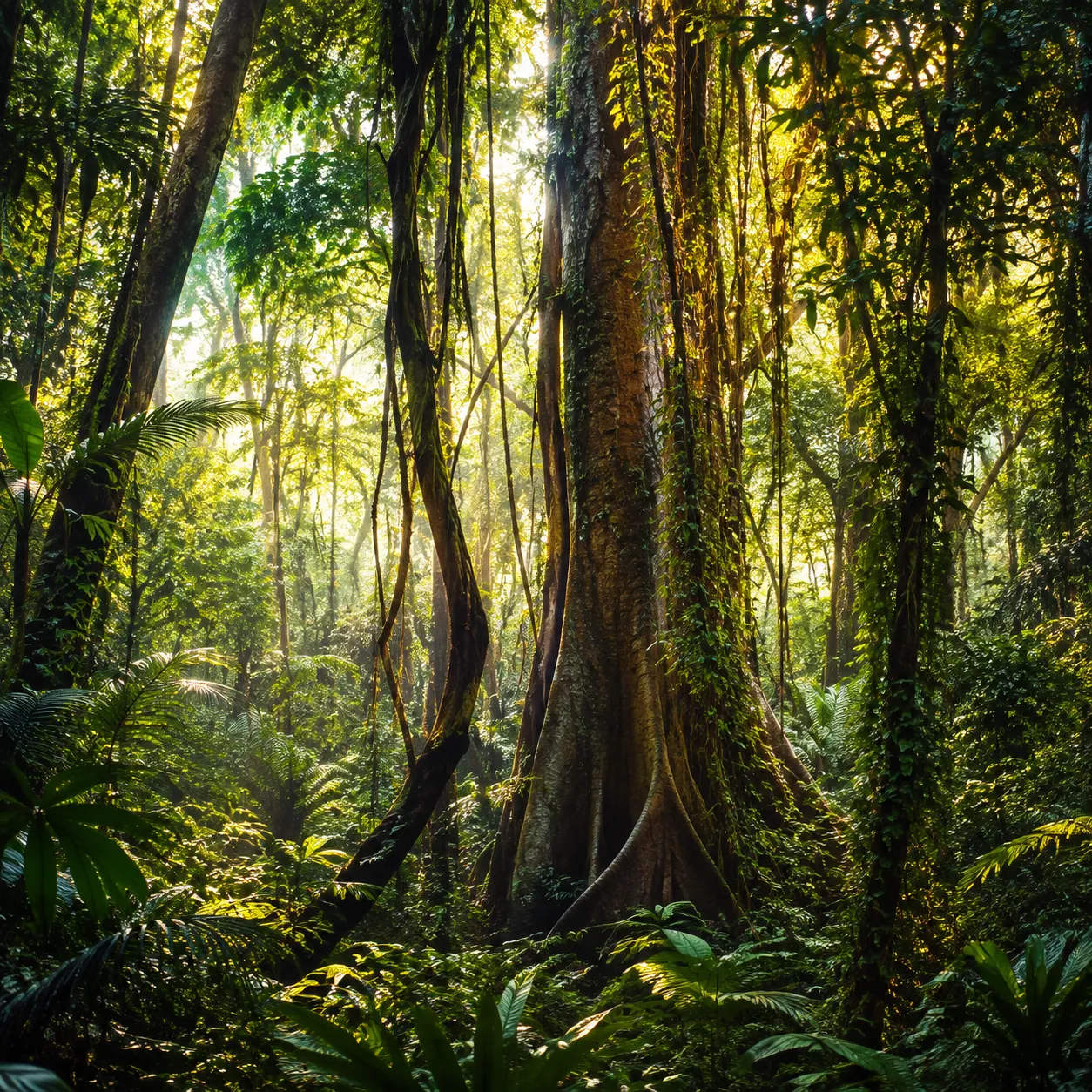
China's tropical surprise at the border with Laos and Myanmar: a land of wild Asian elephants, golden Dai Buddhist temples, misty rainforests, and Mekong River night markets where the food is as spicy-sour as anything in Thailand — because culturally, you are practically there.
Region
Southern Yunnan / Tropical
Altitude
500m
Best Time
November to April (dry season, comfortable temperatures)
Climate
Tropical monsoon, 18-35°C, humid year-round
Xishuangbanna (西双版纳) is the curveball in Yunnan's lineup. While the rest of the province trends toward mountains and highlands, Xishuangbanna sits at a sultry 500 meters above sea level in a tropical monsoon climate zone, sharing more DNA with Southeast Asia than with China. The Dai ethnic minority makes up over 30% of the population here, and their culture — Theravada Buddhism, bamboo stilt houses, and a cuisine dominated by lemongrass, lime, and chili — will make you check your map to confirm you have not accidentally crossed into northern Thailand.
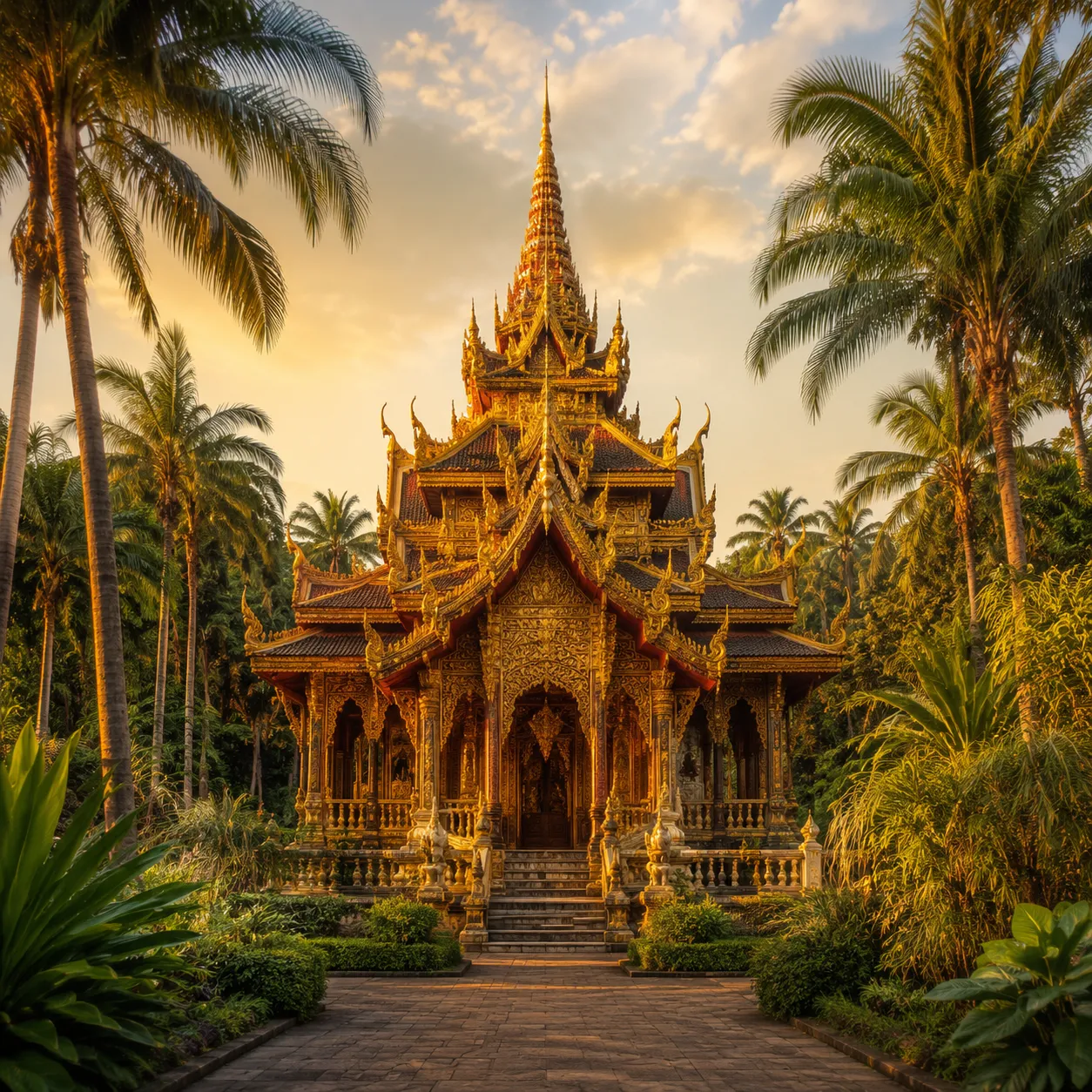
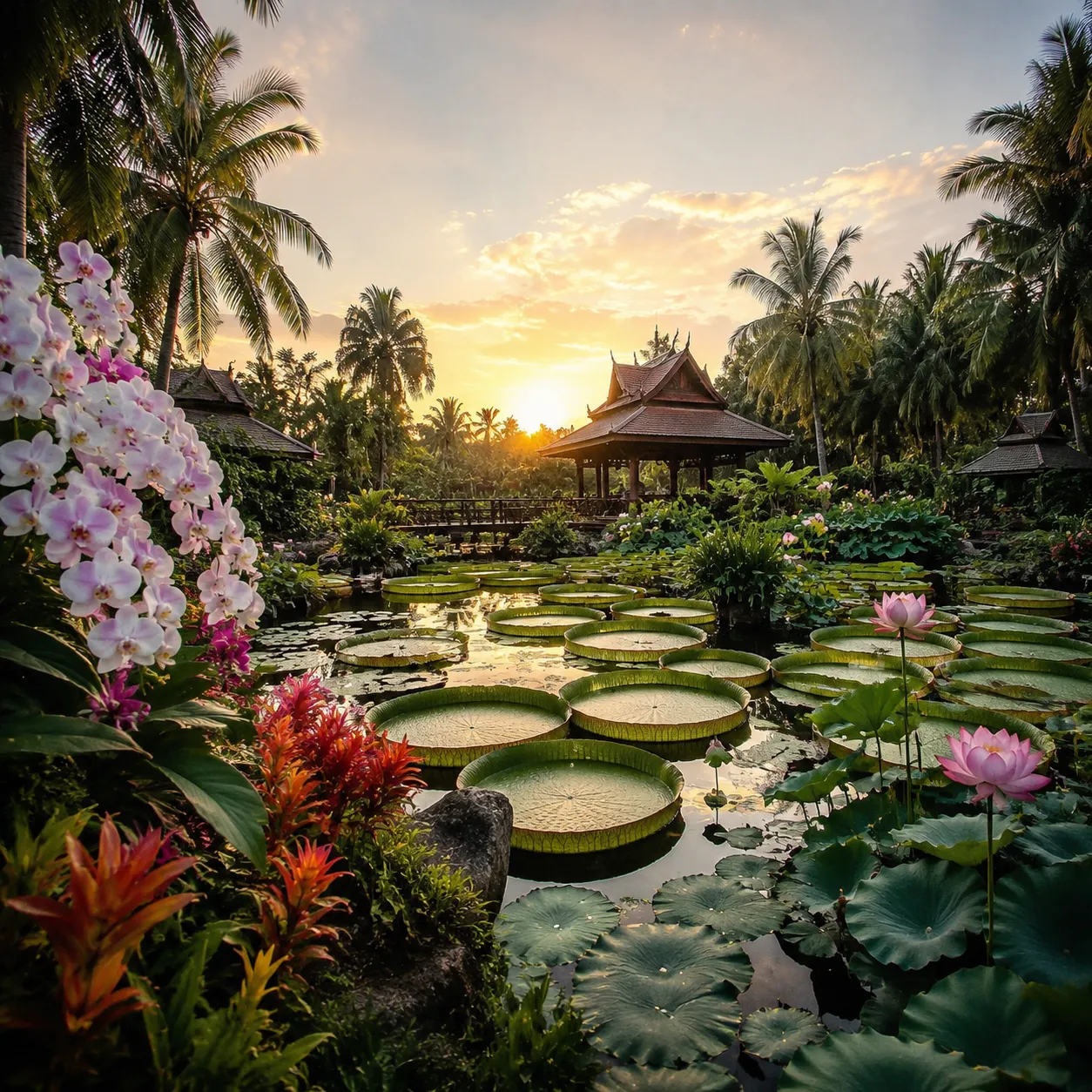
The landscape is equally surprising. The Xishuangbanna Tropical Botanical Garden, run by the Chinese Academy of Sciences, spans over 1,100 hectares and houses more than 13,000 plant species — from carnivorous pitcher plants to towering dipterocarp trees. Wild Elephant Valley offers a chance to see Asia's largest land animal in its natural habitat from elevated walkways (ethical note: avoid any attraction offering elephant rides). The Manting Park and Dai Minority Park showcase golden Buddhist stupas, tropical flowers, and daily cultural performances that bring Dai dance and music to life.
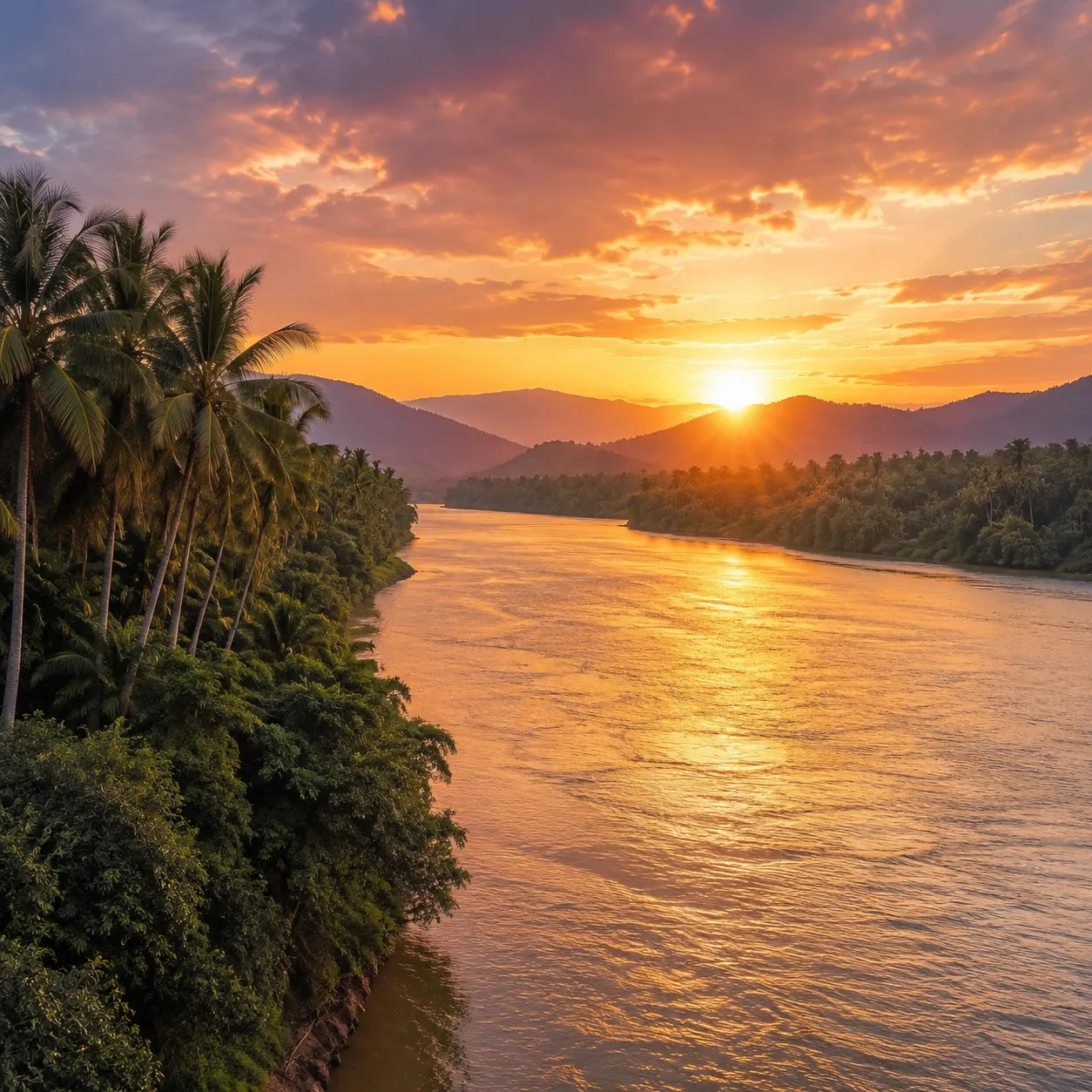
But the real soul of Xishuangbanna emerges after sunset at the Mekong River night market in Jinghong. Hundreds of stalls serve grilled Mekong fish stuffed with lemongrass, pineapple rice steamed in hollowed-out fruit, tropical fruits you have never seen before, and the Dai version of papaya salad that will make your eyes water. The air is thick with incense from riverside temples, the scent of grilling meat, and the sound of Dai pop music — it is chaotic, humid, and completely unforgettable.
At a Glance: Should You Go?
A 30-second read to decide if Xishuangbanna fits your trip — and how to plan it.
Minimum Time
2 days (3 for the botanical garden + elephants)
Physical Demand
Easy — hot and humid, but no strenuous activities required
Daily Budget
CNY 280-550 per person/day
Best For
Food lovers, families, first-timers to the tropics, Southeast Asia enthusiasts
Not For
Anyone who dislikes heat and humidity — 30°C+ year-round, with monsoon rain May-October
Best Season
November to April (dry season, comfortable temperatures)
Plan Your Time in Xishuangbanna
Three ways to do it — pick the one that fits your schedule, then follow the steps.
- 1 9 AM: Manting Park & golden temples (2h)
- 2 12 PM: lunch in Jinghong proper — walk 15 min from Gaozhuang for local prices
- 3 3 PM: Mekong riverfront walk
- 4 6 PM: night market opens — grilled fish, pineapple rice, papaya salad
- 5 9 PM: rooftop bar over the Mekong in Gaozhuang
- 1 Day 1: Botanical Garden (13,000 species — takes a full morning) + night market
- 2 Day 2: Wild Elephant Valley elevated walkways in the morning + Dai village stilt-house dinner
- 1 Days 1-2: as above
- 2 Day 3: Dai Minority Park cultural performances, or a rainforest trek with a local Dai guide
Estimate Your Xishuangbanna Budget
Per-person daily costs we recorded on the ground in 2026 — accommodation, food, local transport, and one paid sight per day. Drag to plan; everything runs in your browser.
Minimum recommended: 2 days (3 for the botanical garden + elephants)
Everyone sharing the trip
Travel Style
Budget = dorms & street food · Mid = guesthouses & local restaurants · Comfort = boutique hotels & nice dinners
Estimated trip total (accommodation + food + transport + one sight per day)
—
From our travels in Xishuangbanna
"Xishuangbanna felt like a different country — and we loved it. After two weeks of highland chill, stepping off the train into Jinghong's humid warmth was like exhaling. We spent a morning walking elevated boardwalks above wild elephants at Wild Elephant Valley (observing only — never riding), then lost ourselves in the Mekong night market as dusk fell: grilled fish stuffed with lemongrass, pineapple rice, and a papaya salad that made our eyes water in the best way. In a Dai stilt house village outside town, a grandmother showed us how to wrap sticky rice in banana leaves — the smell of that grill still haunts our notes."
Top Attractions
Things to Do
Insider Tips for Xishuangbanna
Things we wish someone had told us before visiting Xishuangbanna.
November to April is the dry season and the best time to visit — May to October brings monsoon rains and oppressive humidity
Bring mosquito repellent and light, quick-dry clothing — you are in the tropics
The new high-speed train connects Kunming to Xishuangbanna in 3.5 hours (opened 2022) — a game-changer for this route
Avoid any attraction offering elephant rides — ethical elephant experiences are limited to observation from walkways
What to Skip & Watch Out For
The honest side of Xishuangbanna — the crowds, the tourist traps, and the mistakes we see first-timers make.
Never book an elephant ride
The ethics are clear: Yunnan's elephants are endangered and riding them causes real harm. Wild Elephant Valley's elevated walkways are the right way — observation, not interaction.
Monsoon humidity, May-October
The wet season brings rain, humidity, and mosquitoes. November-April is the sweet spot. Pack quick-dry clothing and serious repellent regardless.
Gaozhuang is tourist central
The night market area is built for visitors — prices run 30-50% higher than local streets. For the real Dai food, walk 15 minutes into Jinghong proper.
How to Get to Xishuangbanna
Fly (1h) or take the new high-speed train from Kunming (3.5h). The train is now the preferred option — comfortable, affordable, and scenic.
By Train
CNY 190 from Kunming (3.5h, new line opened 2022). Jinghong Railway Station is centrally located. This route has made Xishuangbanna dramatically more accessible.
By Bus
CNY 240 from Kunming (8h, overnight sleeper available). Long journey but the cheapest option. Day buses also depart from Kunming South Station.
By Flight
Xishuangbanna Gasa Airport (JHG) serves Kunming (1h, CNY 400-800) plus direct flights from Chengdu, Chongqing, and some international routes from Southeast Asia.
Places We Recommend by Name
Real names, real prices — cross-checked with local listings and our own stays in 2026. These are the places we'd send a friend.
Where to Eat & Drink
Mekong River night market (告庄西双景夜市)
CNY 40-80/personThe heart of Jinghong after dark — grilled Mekong fish, pineapple rice, tropical fruits, and Dai papaya salad. Eat where the locals queue.
Where to Stay
Gaozhuang boutique hotels (告庄)
CNY 300-700Jinghong's most walkable area — rooftop bars over the Mekong, two minutes from the night market. Best base for first-timers.
Dai-style village bungalows
CNY 150-300Bamboo stilt houses in Dai villages outside Jinghong — mosquito nets, roosters, temple bells, and home-cooked Dai food with a host family.
Where to Stay
Tropical Resort Hotels
Lush, resort-style properties with elaborate pools surrounded by palm trees and tropical gardens. The InterContinental and Anantara set the luxury standard, but mid-range options near Gaozhuang offer similar tropical vibes at a fraction of the cost. Most have in-house spas and Dai-style architecture.
CNY 300-1200Dai-Style Bungalows
Traditional bamboo and wood houses on stilts in Dai villages outside Jinghong. Simple but atmospheric: sleep under a mosquito net, wake to roosters and temple bells, and eat home-cooked Dai food with your host family. Best for cultural immersion rather than luxury.
CNY 100-300Gaozhuang Boutique Hotels
Gaozhuang is Jinghong's most popular tourist area, packed with stylish small hotels, rooftop bars overlooking the Mekong, and easy walking access to the night market. Great for first-time visitors who want to be in the center of the action.
CNY 200-500What to Eat in Xishuangbanna
Dai Grilled Fish (傣味烤鱼)
The signature dish of Xishuangbanna: whole tilapia or snakehead fish stuffed with lemongrass, kaffir lime leaves, garlic, and chilies, wrapped in banana leaves, and grilled over charcoal. The banana leaf steams the fish from the inside while the skin crisps. Served with a dipping sauce of lime juice, crushed chili, and fermented fish sauce.
Pineapple Rice (菠萝饭)
Glutinous rice steamed inside a hollowed-out pineapple with coconut milk, rock sugar, and sometimes black rice for color contrast. Sweet, fragrant, and surprisingly filling. Eaten as a side dish or dessert — it is the most Instagrammed food in Xishuangbanna for good reason.
Dai Sour-Spicy Salad (傣味凉拌)
The Dai version of Southeast Asian green papaya salad: shredded green mango or papaya pounded in a mortar with lime juice, fish sauce, dried shrimp, cherry tomatoes, crushed peanuts, and bird's eye chilies. The flavor is an assault in the best possible way — sour, spicy, salty, and umami in every bite.
Packing Checklist for Xishuangbanna
Tap to check off — your progress saves in this browser, so you can pick up where you left off before the trip.
0 of 10 packed
Photo Gallery
When to Visit Xishuangbanna
Best season: November to April (dry season, comfortable temperatures)
Tropical monsoon, 18-35°C, humid year-round
Full month-by-month guideSuggested Itineraries
Xishuangbanna is included in several of our recommended Yunnan itineraries, from quick 3-day escapes to the full 14-day grand loop.
View all itinerariesReady to explore Xishuangbanna?
See our recommended itineraries that include Xishuangbanna or browse other destinations in Yunnan.