
Shangri-La 香格里拉
At 3,400 meters on the edge of the Tibetan Plateau, Shangri-La (formerly Zhongdian) lives up to its mythical name with golden-roofed monasteries, yak-dotted grasslands, and the kind of high-altitude silence that makes you feel like you have reached the roof of the world.
Region
Northwest Yunnan / Tibetan Plateau
Altitude
3400m
Best Time
May to October
Climate
Alpine plateau, 5-18°C, frost possible year-round
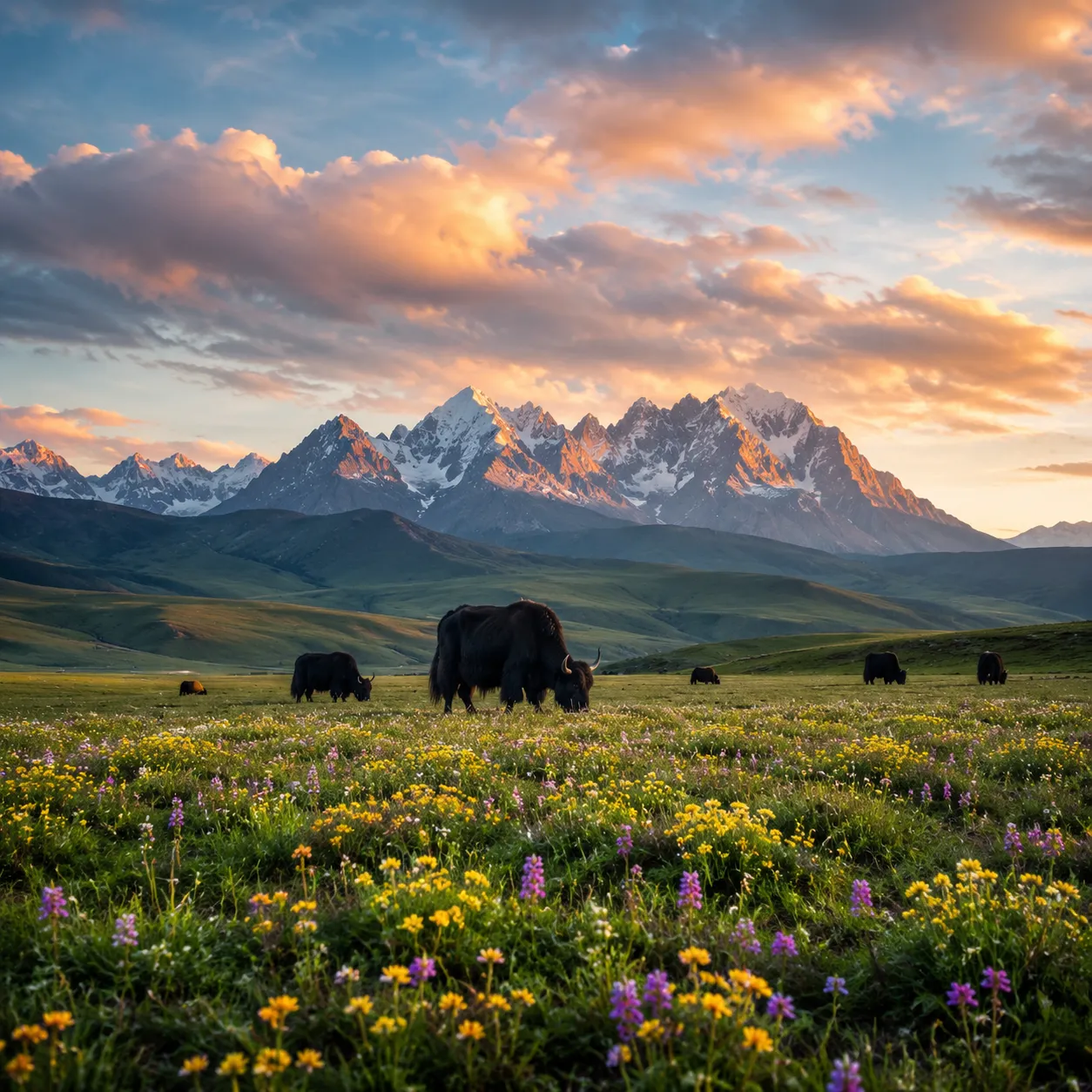
Shangri-La (香格里拉) was renamed in 2001 from its former Chinese name Zhongdian, after James Hilton's fictional paradise in Lost Horizon — and the rebranding was no exaggeration. Perched at 3,400 meters on the southeastern edge of the Tibetan Plateau, this small city is surrounded by some of Yunnan's most dramatic landscapes: snow-dusted peaks, pristine alpine lakes, and wide valleys where yaks graze under endless blue skies.
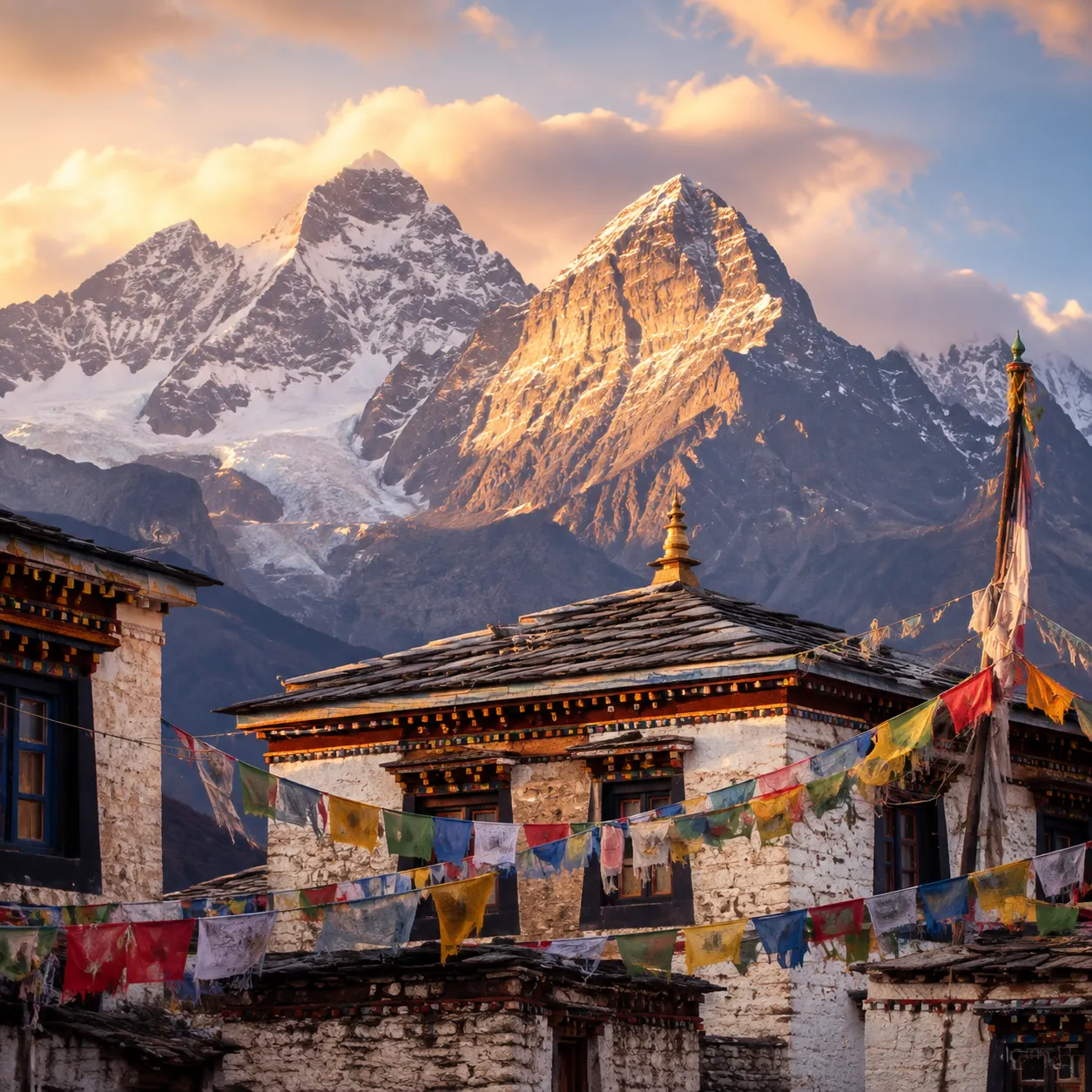
The spiritual heart of Shangri-La is Songzanlin Monastery (松赞林寺), a sprawling Tibetan Buddhist complex often called the 'Little Potala Palace' for its resemblance to Lhasa's iconic landmark. Built in 1679, it houses 700 monks and is the largest Tibetan monastery in Yunnan. Golden hour here — when the last sunlight catches the golden roofs and prayer flags flutter against the mountain backdrop — is one of those travel moments that stays with you forever.
For nature lovers, Pudacuo National Park (普达措国家公园) is China's first national park to meet international standards. Its centerpiece is Shudu Lake, a mirror-calm alpine lake surrounded by old-growth fir forests and grazing yaks. A wooden boardwalk circles the lake, making it accessible even at this altitude. Napa Lake is a seasonal wetland where thousands of migratory birds — including endangered black-necked cranes — winter from October to March. And Dukezong Ancient Town, with its 1,300-year-old history as a Tea Horse Road trading post, was largely rebuilt after a 2014 fire but retains its Tibetan character with prayer wheels, butter lamps, and the world's largest prayer wheel (21 meters tall, requiring several people to turn).
At a Glance: Should You Go?
A 30-second read to decide if Shangri-La fits your trip — and how to plan it.
Minimum Time
2 days (3 to acclimatize comfortably)
Physical Demand
Moderate — the altitude is the challenge, not the terrain
Daily Budget
CNY 350-700 per person/day
Best For
Culture seekers, photographers, Tibetan Buddhism enthusiasts, highland scenery lovers
Not For
Travelers with heart or respiratory conditions — 3,400m means 65% of sea-level oxygen; consult your doctor first
Best Season
May to October
Plan Your Time in Shangri-La
Three ways to do it — pick the one that fits your schedule, then follow the steps.
- 1 Rest the morning — walk slowly, drink 3L of water, skip alcohol
- 2 2 PM: Songzanlin Monastery (CNY 115 incl. guided tour) — catch golden hour at 5-6 PM
- 3 7 PM: Dukezong old town, turn the world's largest prayer wheel
- 1 Day 1: acclimatize — Songzanlin + Dukezong (see above)
- 2 Day 2: Pudacuo National Park — Shudu Lake boardwalk (3-4h), back by late afternoon
- 3 Evening: yak hotpot & Tibetan momos
- 1 Days 1-2: as above
- 2 Day 3 (option A): Napa Lake at dawn — black-necked cranes in winter
- 3 Day 3 (option B): Balagezong Grand Canyon full day — suspension bridges & turquoise rivers
Estimate Your Shangri-La Budget
Per-person daily costs we recorded on the ground in 2026 — accommodation, food, local transport, and one paid sight per day. Drag to plan; everything runs in your browser.
Minimum recommended: 2 days (3 to acclimatize comfortably)
Everyone sharing the trip
Travel Style
Budget = dorms & street food · Mid = guesthouses & local restaurants · Comfort = boutique hotels & nice dinners
Estimated trip total (accommodation + food + transport + one sight per day)
—
From our travels in Shangri-La
"Shangri-La humbled us — literally. At 3,400 meters, the 200 steps up to Songzanlin Monastery felt like climbing a mountain, and we learned to walk like monks: slow, deliberate, grateful for oxygen. The reward was silence, golden roofs, and prayer flags snapping in the wind at the 'Little Potala Palace.' We spent our first evening in Dukezong turning the world's largest prayer wheel (it takes a dozen people to move it) and our last morning watching yaks graze Napa Lake while black-necked cranes foraged in the marsh. One honest note: the old town was largely rebuilt after the 2014 fire — it's pretty, but the authenticity you came for lives in the monastery and the villages beyond, not the souvenir lanes."
Top Attractions
Things to Do
Insider Tips for Shangri-La
Things we wish someone had told us before visiting Shangri-La.
Altitude sickness is real at 3,400m — spend your first 24 hours resting, drink 3+ liters of water, and avoid alcohol
Bring a down jacket even in summer — nighttime temperatures can drop below 5°C even in July
The oxygen level here is about 65% of sea level — climb stairs slowly and consider buying a portable oxygen can (CNY 30)
Songzanlin Monastery charges CNY 115 but the ticket includes a guided tour — well worth it for context on Tibetan Buddhism
What to Skip & Watch Out For
The honest side of Shangri-La — the crowds, the tourist traps, and the mistakes we see first-timers make.
Altitude is not optional here
At 3,400m you're at 65% of sea-level oxygen. Rest your first 24 hours, drink 3+ liters of water, skip alcohol, and climb stairs slowly. Oxygen cans (CNY 30) are sold everywhere if needed.
Dukezong's rebuilt old town
The 2014 fire destroyed much of the old town; what you see now is a reconstruction aimed at domestic tourism. Pretty — but manage expectations and head to the monastery for the real Shangri-La.
No photos inside the temples
Monks pray inside Songzanlin and photography is not allowed in the prayer halls — the exterior and golden-hour light are the photographic rewards anyway.
How to Get to Shangri-La
Fly from Kunming (1h) for the fastest route, or take the high-speed train to Lijiang then connect by train (1h 15min) or bus (4h).
By Train
CNY 145 from Lijiang (1h 15min, 3-4 daily departures). The new railway station is in Shangri-La city center.
By Bus
CNY 65 from Lijiang (4h, scenic mountain roads). Regular departures from Lijiang Bus Station throughout the day.
By Flight
Diqing Shangri-La Airport (DIG) has direct flights from Kunming (1h, CNY 600-1200), Chengdu, and Chongqing. Airport is 5km from the city center — taxi CNY 30.
Places We Recommend by Name
Real names, real prices — cross-checked with local listings and our own stays in 2026. These are the places we'd send a friend.
Where to Eat & Drink
Flying Tiger Restaurant
CNY 60-100/personRun by two friendly Frenchmen, known for the best yak burger in town — a comforting break from Tibetan staples.
Huksum Kitchen (cat bar)
CNY 80-150/personShared hotpot and BBQ with yak meat and local Shangri-La beer, in a cozy spot that doubles as a cat bar. Great after a cold day.
Karma Café & Lodge
CNY 30-50The warmest café in the old town for yak-butter-tea beginners — and a good place to plan your next day.
Where to Stay
Arro Khampa (香格里拉山水酒店)
CNY 400-900A boutique gem in the old town — fireplace, ginger tea on arrival, and modern-Chinese décor done beautifully.
LUX* Shangri-La
CNY 1,500/night (~$220)A stylish lodge on the old Tea Horse Road with great value for the level of comfort — remote, quiet, mountain-life views.
Where to Stay
Tibetan Family Homestays
The most authentic Shangri-La experience: sleep under yak-wool blankets in a traditional Tibetan home, wake to the smell of yak butter tea, and share meals with a family who have lived on this plateau for generations. Most are in villages around the monastery or Dukezong.
CNY 80-200Boutique Tibetan Hotels
Heritage Tibetan buildings renovated with modern heating (crucial at this altitude), en-suite bathrooms, and WiFi. The Songtsam Retreat overlooks Songzanlin Monastery and sets the gold standard, but several smaller options in Dukezong offer similar charm at half the price.
CNY 300-800Dukezong Guesthouses
Stay inside the ancient town walls in a restored Tibetan merchant's house. Thick rammed-earth walls keep rooms warm, and rooftop terraces offer views of the giant prayer wheel and surrounding mountains.
CNY 150-400What to Eat in Shangri-La
Yak Butter Tea (酥油茶)
The fuel of Tibetan life: strong black tea churned with yak butter, salt, and sometimes a pinch of soda in a wooden cylinder until it becomes a frothy, savory, calorie-dense drink. It is an acquired taste (salty, not sweet), but at high altitude, your body will thank you for the warmth and energy.
Tsampa (糌粑)
Tibet's staple food: roasted highland barley flour mixed with yak butter tea and kneaded into a dough-like ball. Eaten with your hands alongside meals or on its own as a portable, nutrient-dense snack. Monks have sustained themselves on tsampa during long retreats for centuries.
Yak Meat Momo (牦牛肉饺子)
Tibetan dumplings filled with spiced minced yak meat and onions, steamed until the wrapper turns translucent. Dip them in chili oil mixed with black vinegar. A plate of 10 momos costs about CNY 25 and will keep you going through a cold highland afternoon.
Packing Checklist for Shangri-La
Tap to check off — your progress saves in this browser, so you can pick up where you left off before the trip.
0 of 10 packed
Photo Gallery

When to Visit Shangri-La
Best season: May to October
Alpine plateau, 5-18°C, frost possible year-round
Full month-by-month guideSuggested Itineraries
Shangri-La is included in several of our recommended Yunnan itineraries, from quick 3-day escapes to the full 14-day grand loop.
View all itinerariesReady to explore Shangri-La?
See our recommended itineraries that include Shangri-La or browse other destinations in Yunnan.